Eating bananas every day can help support healthy blood pressure levels because they are rich in potassium, a mineral that helps balance sodium in the body and relax blood vessel walls. Regular potassium intake may reduce strain on the heart, improve circulation, and lower the risk of hypertension, especially when combined with an overall balanced, low-salt diet.

Hypertension, more commonly recognized as high blood pressure, stands as one of the most significant and pervasive public health challenges of the modern era, silently affecting more than a billion individuals across every corner of the globe. It is frequently characterized by medical professionals as the “silent killer,” a chilling moniker that stems from its deceptive nature; the condition typically advances through the human body without presenting a single overt symptom or warning sign. While an individual may feel perfectly healthy, the elevated pressure within their circulatory system is often working overtime to progressively erode the structural integrity of vital organs. This stealthy progression means that without proactive intervention, the first sign of a problem is often a catastrophic health event. The stakes of leaving this condition unmonitored are incredibly high, as it serves as a primary precursor to life-altering complications, including myocardial infarctions, debilitating strokes, chronic kidney failure, and various forms of congestive heart disease. The tragedy of hypertension lies in its invisibility, where many people remain entirely oblivious to the internal damage occurring within their arteries until they are suddenly confronted with a medical emergency that could have been prevented through early awareness and consistent management.

To truly grasp the impact of hypertension, one must understand the fundamental mechanics of how blood moves through the body, measured by the force exerted against the muscular walls of the arteries. This vital sign is traditionally recorded using two distinct numbers: systolic and diastolic pressure, measured in millimeters of mercury (mmHg). The systolic number, the higher of the two, represents the pressure in the arteries specifically when the heart muscle contracts to pump blood throughout the body. Conversely, the diastolic number reflects the pressure in those same vessels during the brief moments when the heart is at rest between beats, refilling with blood for its next rhythmic contraction. A standard reading for a healthy adult typically hovers around 120/80 mmHg. However, when these numbers consistently climb above the 130/80 mmHg threshold, a clinical diagnosis of hypertension is usually established. This persistent elevation in pressure forces the heart to exert significantly more effort to circulate blood, a chronic overwork that eventually leads to the thickening of the heart muscle and the weakening of arterial walls. Over time, this mechanical strain limits the efficient flow of oxygen-rich blood to the brain, kidneys, and extremities, creating a ripple effect of physiological decline.

The development of hypertension is rarely the result of a single isolated cause, but rather an intricate interplay of various lifestyle choices, environmental factors, and genetic predispositions. For the majority of the population, high blood pressure is influenced by modifiable risk factors that accumulate over time. These include a diet disproportionately high in sodium and processed foods, a sedentary lifestyle lacking in consistent physical exertion, and the physiological burdens of obesity. Furthermore, the use of tobacco and excessive alcohol consumption act as potent chemical catalysts that further constrict blood vessels and elevate heart rates. Chronic stress, a hallmark of contemporary life, also plays a pivotal role by keeping the body in a state of heightened sympathetic nervous system activity. Beyond these external factors, some individuals possess a genetic vulnerability passed down through family history, making them more susceptible to the condition even with healthy habits. In certain cases, hypertension is classified as “secondary,” meaning it is a direct consequence of another underlying medical issue, such as diabetic complications, hormonal imbalances, or specific organ dysfunctions that disrupt the body’s natural ability to regulate fluid balance and vascular tone.

Because hypertension is so effectively shrouded in silence, the only reliable defense is a culture of routine screening and unwavering vigilance. For many, the lack of immediate physical pain leads to a false sense of security, which is why clinical guidelines strongly advocate for regular blood pressure checks, particularly for those who have passed the age of 40 or those who possess one or more of the aforementioned risk factors. Early detection is the cornerstone of cardiovascular health, providing a window of opportunity to implement changes before permanent damage is inflicted upon the arterial system. In the modern healthcare landscape, the rise of accurate and affordable home monitoring devices has revolutionized how patients interact with their own health data. These tools allow for a more comprehensive view of an individual’s blood pressure trends over time, eliminating the “white coat syndrome” that can sometimes skew readings in a clinical setting. By maintaining a detailed log of these measurements, patients and their doctors can identify subtle upward trends early, allowing for nuanced adjustments to treatment plans that can stave off the more severe, long-term complications of the disease.

The management of high blood pressure is a holistic endeavor that prioritizes sustainable lifestyle transformations as the first line of defense, often supplemented by pharmacological intervention when necessary. One of the most effective strategies is the adoption of the Dietary Approaches to Stop Hypertension, or the DASH diet, which emphasizes the consumption of fruits, vegetables, lean proteins, and whole grains while strictly limiting sodium and saturated fats. Integrating regular aerobic exercise—such as brisk walking, swimming, or cycling—into a daily routine serves to strengthen the heart and improve the elasticity of blood vessels. Weight management also plays a crucial role, as even a modest reduction in body mass can lead to a significant drop in blood pressure readings. Avoiding tobacco products and practicing moderation with alcohol are equally vital, as these substances have a direct and immediate impact on vascular health. Additionally, incorporating stress-reduction techniques like mindfulness, yoga, or deep-breathing exercises can help mitigate the hormonal spikes that drive blood pressure upward, creating a more stable internal environment for the cardiovascular system to thrive.

Ultimately, the journey to controlling hypertension is not one that should be walked alone; it requires a robust and collaborative partnership between the individual and their healthcare providers. Frequent medical check-ups allow for the professional assessment of treatment efficacy and the early identification of any emerging secondary health issues. For many patients, medication adherence is a critical component of their success, requiring clear communication with doctors to find the specific prescriptions and dosages that work best for their unique physiology. When combined with consistent home monitoring and the aforementioned lifestyle adjustments, the prognosis for those living with hypertension is remarkably positive. Modern medicine and a proactive approach to wellness have made it entirely possible for individuals to manage their blood pressure effectively, thereby reducing their risk of heart attack or stroke to levels comparable to the general population. Through education, awareness, and a commitment to daily health habits, the “silent killer” can be silenced, allowing those with the condition to lead vibrant, active, and long-lasting lives without the constant shadow of an impending health crisis.

Related Posts

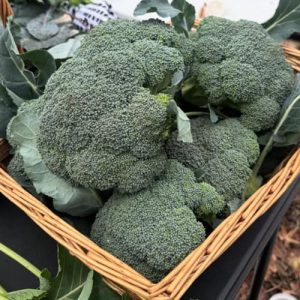
**Doctors reveal the health benefits of eating broccoli, highlighting cancer protection, heart health, fiber, vitamins, antioxidants, gut support, immune strength, blood sugar control, bone density, anti-inflammatory effects, weight management, cooking tips, portion guidance, scientific studies, myths, safety, and how this green vegetable improves daily nutrition for people of all ages.**

Broccoli has earned its reputation as one of the most nutritionally dense vegetables in the world, and that reputation is backed by both tradition and modern science….

**Doctors Say Eating Beets Can Have This Surprising Effect as experts explain nitric oxide boosts, blood pressure drops, endurance improves, circulation increases, brain flow benefits, antioxidants protect, inflammation eases, digestion supports, and heart health gains, while cautions note sugar content, kidney stones, medication interactions, proper portions, and who should avoid.**

Beets are often called a “superfood,” not because of flashy marketing or miracle claims, but because of the steady, well-documented ways they support the body over time….

**Their acne is severe as shocking photos spark concern discussion about skin health, hormones, stress, diet, genetics, treatment options, dermatology, stigma, mental wellbeing, social media pressure, empathy, education, myths, realities, self care, confidence, medical advice, accessibility, before and after stories, and how understanding helps people heal emotionally and physically today**

Severe acne is far more than a cosmetic inconvenience, and understanding when to seek professional help can make a life-changing difference for both skin health and emotional…

**The Most Potent Herb for Parasite and Urinary Tract Claims, Examining Traditional Remedies, Scientific Evidence, Safety, Dosage, Interactions, and What Doctors Actually Recommend, Separating Myths from Facts, Understanding Risks, When to Seek Medical Care, and How Herbal Support May Complement, Not Replace, Proper Diagnosis and Treatment for infections today responsibly**

Oregano oil, derived from the aromatic leaves of the Origanum vulgare plant, has occupied a respected place in human culture for thousands of years, long before laboratories…

**A Woman Shares Three Symptoms She Disregarded Before Receiving a Stage Four Cancer Diagnosis at the Age of Twenty Eight, highlighting early warning signs, delays in care, misread health changes, importance of screening, listening to your body, medical advocacy, timely testing, awareness, survival, treatment options, support, prevention, and lessons others**

Georgie Swallow’s story begins in a place that many people will recognize all too well: the busy, overstimulated, always-on world of modern work and digital life. At…

**One Month Before a Heart Attack, Your Feet Will Warn You of These Six Signs, According to Medical Experts, Revealing Subtle Changes, Circulation Clues, Nerve Signals, Swelling, Pain, Temperature Shifts, Skin Color Differences, and What These Early Symptoms May Indicate About Heart Health, Risk Levels, Prevention, Timely Action, and When to Seek Medical Help**

Your feet can sometimes provide early clues that something may be wrong with your cardiovascular system. While changes in the feet are not a diagnosis on their…

Leave a Reply

Your email address will not be published. Required fields are marked *